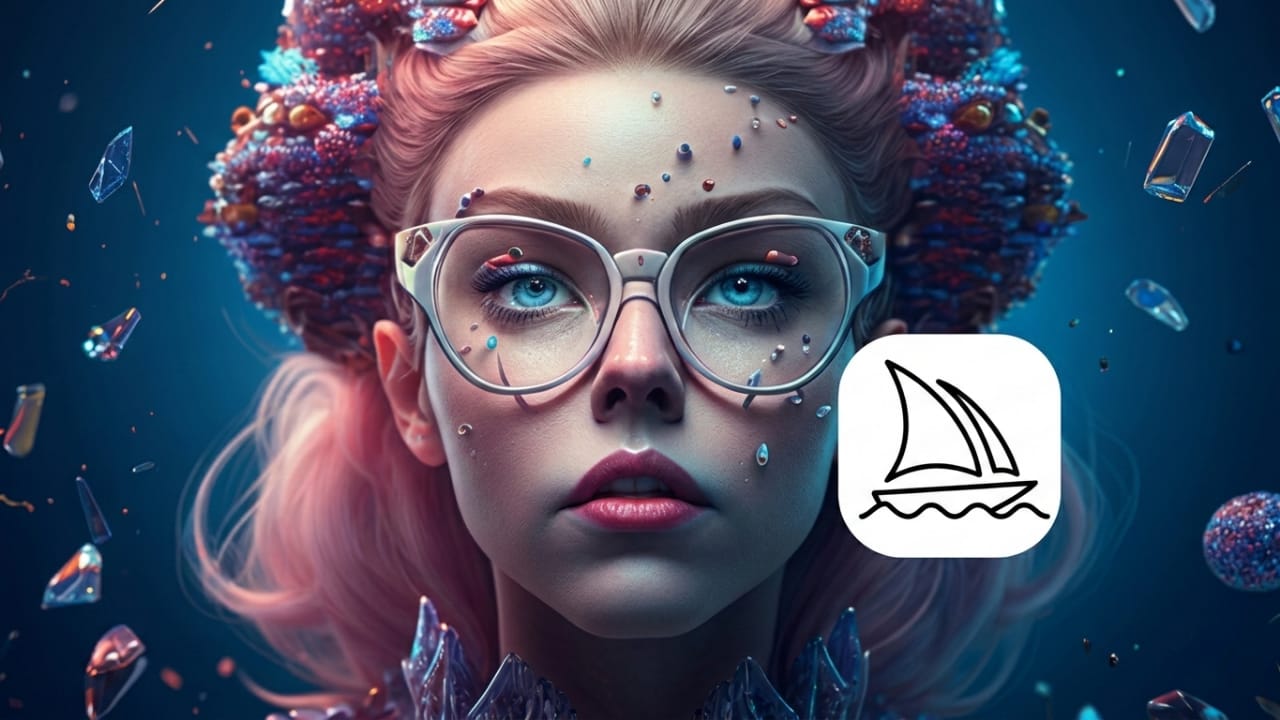
Midjourney is a popular AI tool that can generate unique images from simple text descriptions. Many designers, bloggers, and content creators use it to create artwork, logos, illustrations, and concept images without advanced design skills.
Instead of drawing or editing manually, you only need to describe what you want using a short text prompt. The system then generates several image options based on your description. You can select the best one, refine it, and download it for your project.
Below is a simple guide to help beginners understand how Midjourney works and how to use it effectively.
Also read: Adobe Launches AI Tool That Automatically Builds the First Draft of Your Video
What You Should Know Before Using Midjourney
Before creating images, there are a few important things to understand about the platform.
- Midjourney currently requires a paid subscription to generate images.
- The tool uses text prompts and settings to control the output.
- You can edit, upscale, and adjust images after they are generated.
- Midjourney can be used through its website or through Discord.
Setting Up a Midjourney Account
Earlier, Midjourney was mainly used inside Discord channels, which some beginners found confusing. Now, the platform also offers a web interface that is easier to navigate.
To get started:
- Visit the Midjourney website.
- Click the Sign Up button.
- Register using either a Google account or a Discord account.
- If you previously used Discord with Midjourney, you can connect your account to access older creations.
Midjourney no longer provides a free trial. You must subscribe before generating images.
Midjourney Subscription Plans
Midjourney offers multiple plans depending on how often you plan to generate images.
- Basic Plan: around $10 per month
- Standard Plan: around $30 per month
- Pro Plan: around $60 per month
- Mega Plan: around $120 per month
Annual subscriptions usually cost less overall. Higher-tier plans provide faster processing speeds and additional usage benefits.
Creating Images Through Discord
If you prefer using Discord, you can still generate images there.
First, join the official Midjourney server. Many users also create a personal Discord server and add the Midjourney Bot to it. This helps keep your work organized and reduces distractions.
Inside Discord, you can use commands to control the bot.
Common commands include:
- /imagine – generate images from a text prompt
- /settings – adjust preferences
- /info – check your usage time
- /help or /ask – view support information
These commands allow you to manage how the AI creates images.
Writing Better Prompts
Prompts are short descriptions that tell the AI what kind of image to create. The clearer your prompt, the better the results.
Helpful prompt tips:
- Describe the main subject clearly
- Mention style or medium (illustration, painting, photo, etc.)
- Keep sentences short and direct
- Focus on the most important details
Avoid overly long descriptions. Simple prompts often produce cleaner results.
Using Parameters to Control Results
Midjourney also allows you to modify how images are generated by adding parameters.
These settings can help you control:
- Aspect ratio (square, portrait, landscape)
- Level of stylization
- Variation and randomness in results
- Creative intensity
After entering your prompt and settings, press Enter to generate images. The system will normally produce four variations based on your description.
Processing time may vary depending on your subscription plan.
Using Images as References
Midjourney can also use images as inspiration.
You can:
- Upload an image to Discord
- Paste an image URL into your prompt
- Combine an image reference with text instructions
This method can help the AI better understand the style or subject you want.
Editing and Improving Generated Images
Once Midjourney generates your images, several tools allow you to refine them.
Upscaling Images
Buttons labeled U1, U2, U3, and U4 upscale the selected image to a higher resolution.
Modern versions already produce high-quality images, but upscaling can improve detail.
The default image size is typically 1024 × 1024 pixels, which can be expanded further.
Creating Variations
Buttons labeled V1 to V4 generate alternative versions of an image.
- Vary (Strong): creates bigger changes
- Vary (Subtle): keeps the design mostly similar
This is helpful when you like the concept but want slight adjustments.
Editing Specific Areas
The Vary Region feature allows you to modify only a selected part of an image.
You can highlight a section and provide new instructions. The AI will update that area while keeping the rest of the image similar.
Re-Rolling Results
If none of the four images match your idea, use Re-roll.
This generates a completely new set using the same prompt.
Expanding the Canvas
The Pan option can extend the image beyond its original edges.
Directional arrows allow you to expand the artwork in different directions.
Editing Images on the Website
The Midjourney website also includes a built-in editor.
With this tool you can:
- Zoom in or out using a scale slider
- Change the aspect ratio
- Move the image inside the canvas
- Add extra background space
After making adjustments, click Submit to generate the updated version.
Downloading and Organizing Your Images
When you are satisfied with an image, you can download it easily.
Steps:
- Open the selected image.
- Click Download Image.
- Save the file as a PNG on your device.
To keep your work organized, use the Organize section on the website. You can create folders, sort projects, and filter images by category.
You can also mark images as favorites or hide ones you no longer need.
Also read: How to Disable AI Tools in Firefox and Customize Your Browsing Experience
Final Thoughts
Midjourney makes it possible to create impressive visuals without advanced design skills. By writing clear prompts and adjusting a few settings, you can produce artwork, concept images, and graphics for many different projects.
To get the best results:
- Choose a subscription plan that fits your needs.
- Keep prompts short and descriptive.
- Experiment with parameters and variations.
- Use editing tools to refine your images.
- Organize your creations into folders for easy access.
With regular practice, you will quickly improve your ability to generate creative and high-quality AI images.
Abhi Rajput, founder of EarnAbhi.in, is a tech lover with 6+ years of experience in SEO, digital tools, and smartphone troubleshooting. He writes simple, clear, and useful guides to help people solve real tech problems.