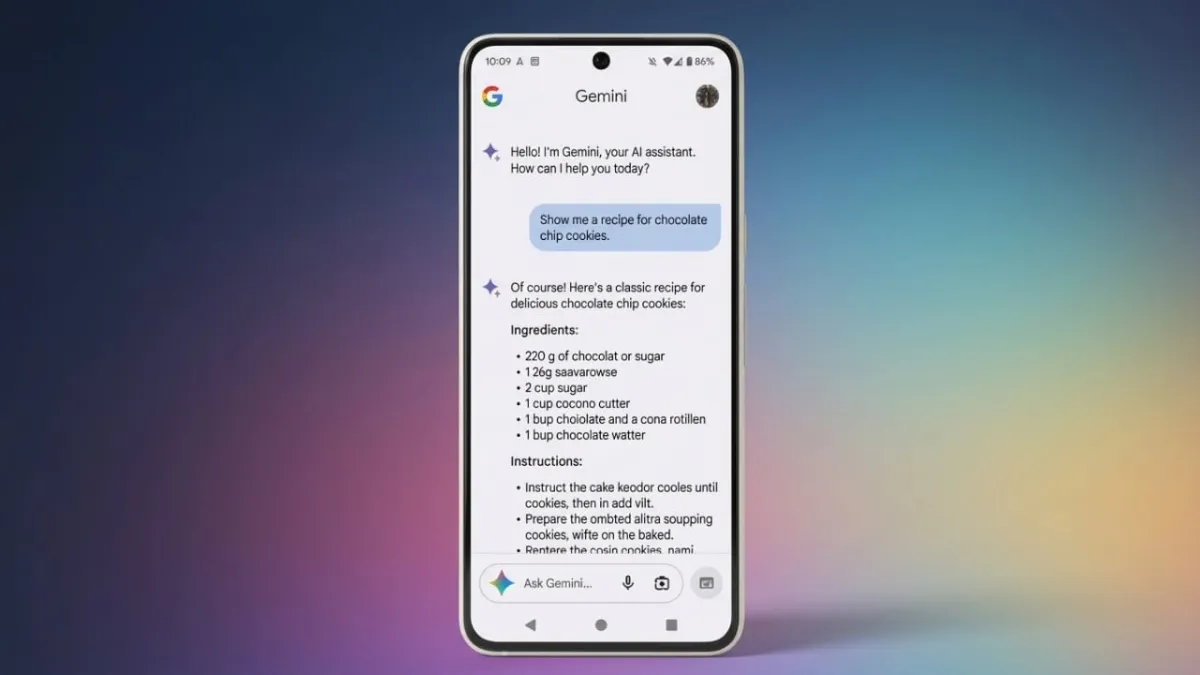
Google is reportedly considering bringing advertisements into its Gemini AI app. During a recent earnings call, a company executive hinted that ads could become part of the chatbot experience in the future. This suggests Google is exploring new ways to generate revenue from its growing AI platforms.
If this happens, it would mark a major shift—turning AI chat tools into monetized products, not just free utilities.
Also read: YouTube Expands Free Picture-in-Picture Feature Worldwide
Ads Are Already Part of Google’s AI Experience
This idea isn’t completely new. Google has already started blending ads into its AI-driven features. For example:
- AI-generated summaries in search sometimes include sponsored content
- Ads appear alongside search-based AI answers
- Shopping and performance ads are integrated into results
So, adding ads to Gemini would simply extend a system that already exists in other parts of Google’s ecosystem.
What Google Has Indicated So Far
From what was shared during the earnings discussion:
- Google is actively testing how ads could fit into AI tools
- Ad formats used in AI search might also work in Gemini
- Advertising could play a key role in scaling the platform
In simple terms, if ads are working well in search-based AI, Google sees potential in using the same approach inside its chatbot.
Why Ads Are Likely Coming to Gemini
Running advanced AI systems is expensive. Costs include:
- Powerful computing resources
- Large-scale infrastructure
- Ongoing training and updates
To support these expenses long-term, Google needs a strong revenue model—and advertising is its biggest strength.
How Ads Might Appear in Gemini
While nothing is officially confirmed, ads could show up in ways that feel less disruptive, such as:
- Sponsored suggestions within conversations
- Product recommendations based on user queries
- Shopping results embedded in responses
The goal will likely be to make ads blend naturally into the conversation rather than interrupt it.
Also read: How to Use Instagram Stories, Polls, and Questions to Boost Engagement
Growing Competition in AI Monetization
Google is not alone in this direction. Other AI companies are also testing similar ideas. This signals a broader trend—AI platforms are no longer just about innovation; they’re becoming business ecosystems.
As more companies experiment with monetization, competition in this space is expected to increase.
Concerns Users Might Have
Introducing ads into AI conversations raises a few valid questions:
- Will answers remain unbiased?
- Can users trust recommendations?
- Will the experience feel crowded or distracting?
Even if companies claim ads won’t affect results, user trust will depend on how transparent and balanced the system feels.
The Bigger Picture
Let’s be realistic—ads in AI tools are likely unavoidable.
- Google’s core business relies on advertising
- AI systems need sustainable funding
- Free users are the most likely to see ads first
The real issue isn’t whether ads will come, but how they will be implemented.
Also read: Microsoft Updates Notepad: Copilot Renamed to “Writing Tools”
Final Take
Adding ads to the Gemini app seems like a natural next step for Google. The company is already combining AI with advertising in search, so extending that model to chat-based tools makes sense.
However, success will depend on execution:
- If ads feel forced or biased, users may lose trust
- If they are relevant and subtle, most people may accept them
In the end, the balance between user experience and monetization will decide how well this move works.

Abhi Rajput, founder of EarnAbhi.in, is a tech lover with 6+ years of experience in SEO, digital tools, and smartphone troubleshooting. He writes simple, clear, and useful guides to help people solve real tech problems.